Tuesday, July 17, 2012

Chicken Adobo


It's not often that I get a chance to cook with meat on the farm. I decided to take advantage of what was left of the Cornish Cross in the fridge and try out my brother's recipe for chicken adobo, a favorite Filipino dish of mine that goes well with steamed or fried rice.

Chicken Adobo
Serves 4

Half of a whole chicken, cut into pieces
1 teaspoon salt
1/4 teaspoon black pepper
1 teaspoon peppercorns
Sprigs of thyme
1 onion, chopped
1 head garlic, minced
1/4 cup soy sauce
1/4 cup white vinegar

Marinate the chicken pieces overnight with minced garlic, thyme, soy sauce, and cracked black pepper. Then, once you're about to cook it, just prepare the following: 2-3 cloves of garlic (minced), 1 onion (chopped), then saute it together with your marinated chicken. Put aside the marinating sauce. Cook your chicken until it gets partly seared. Add in about 1/4 cup of white vinegar. Simmer it, until the acid-like smell is gone. Remember: while simmering the chicken with the vinegar, do not stir it. Decrease the heat level if gets to a boil. Once the acid-like smell has dissipated, add the marinating sauce and simmer until it gets thick enough. (The correct consistency should cover the back of your spoon if you dip it in). Adjust your salt and pepper depending on your preference. You can add vegetables if you want to as long as the sauce is half-way ready to avoid overcooking it.

Saturday, July 14, 2012

Spicy Coleslaw


Spicy Coleslaw
Makes about 2 quarts

2 tablespoons Dijon mustard
2 tablespoons sherry or balsamic vinegar
1/2 cup olive oil
1 tablespoon sugar
6 cups cored and shredded Napa, Savoy, green and/or red cabbage
1 cup minced chives
Cayenne pepper, Salt and freshly ground black pepper to taste
1/4 cup minced fresh parsley leaves

Whisk together the mustard and vinegar in a small bowl; add the oil a little at a time, whisking all the while. Add sugar and whisk to dissolve. Combine the cabbage, chives and toss with the dressing. Season with cayenne pepper, salt, and ground black pepper and refrigerate until ready to serve. It's best to let this rest for an hour or so before serving to allow the flavors to mellow; you can let it sit longer, up to 24 hours, if you like. Just before serving, toss with parsley.

(Recipe from How to Cook Everything: The Basics by Mark Bittman)

Friday, July 13, 2012

La Cosecha

Married Nelson Carrots
Tipoff Romanesco, a broccoli-cauliflower hybrid
Laurentian Rutabaga
Graffiti Cauliflower
Sugarsnap Snap Pea
Jackpot Zucchini
Arugula
Harvested garlic, hung up to dry

Tuesday, July 10, 2012

The Bat & I


I was just about to turn off the lamp and call it a night when a bat suddenly flew into my room. For a moment, it hung above the wall next to my door before taking off and heading straight for my face. Naturally, I fell off the bedDawn came from the other room to trap it inside a mason jar and we set it loose on the lawn by the front porch. It screeched its way through the dark, and where it flew away to was anyone's guess.

Sunday, July 8, 2012

Kale Chips


Kale Chips
Makes 4 servings

1 bunch of kale, preferably Lacinato or "dinosaur" kale
2 tablespoon olive oil
Sea salt and black pepper, to taste

Preheat oven to 350 degrees. Remove the tough center ribs from the kale and cut into large pieces. If the kale is wet when you place it in the oven, it'll steam and turn soggy. Place leaves in a large bowl and, using your hands, toss with olive oil, salt and black pepper until coated. Arrange leaves in a single layer on the prepared baking sheet (you may need two baking sheets). Bake for 12 to 15 minutes or until the leaves are crackly when touched yet still dark green. Remove from oven and eat while they're hot.

(Recipe from National Public Radio)

Saturday, July 7, 2012

Wild Flowers


Chamomile, mint and lemon balm are beginning to overrun the herb garden. In an effort to clear the paths, I decided to pick a small bunch from each plant to dry in the house and turn into tea. When the mint, chamomile buds and lemon balm leaves were ready to use after a week or so, they combined to form some of the best tea I've ever tasted. There's no way I could bring myself to purchase tea bags from the grocery store ever again.


In Portland last night for the First Friday Art Walk, I stumbled into a thrift store that sold old-fashioned medicine bottles. Flowers have been growing wild all over the farm and I figured that the bottles would make perfect vases.


Daniel pulled up the first stalk of garlic yesterday afternoon. We'll harvest most of the crop to save for seed and plant a full plot of garlic for the following year.

Friday, July 6, 2012

Friday's Harvest

Garlic Scapes
Fiesta Broccoli
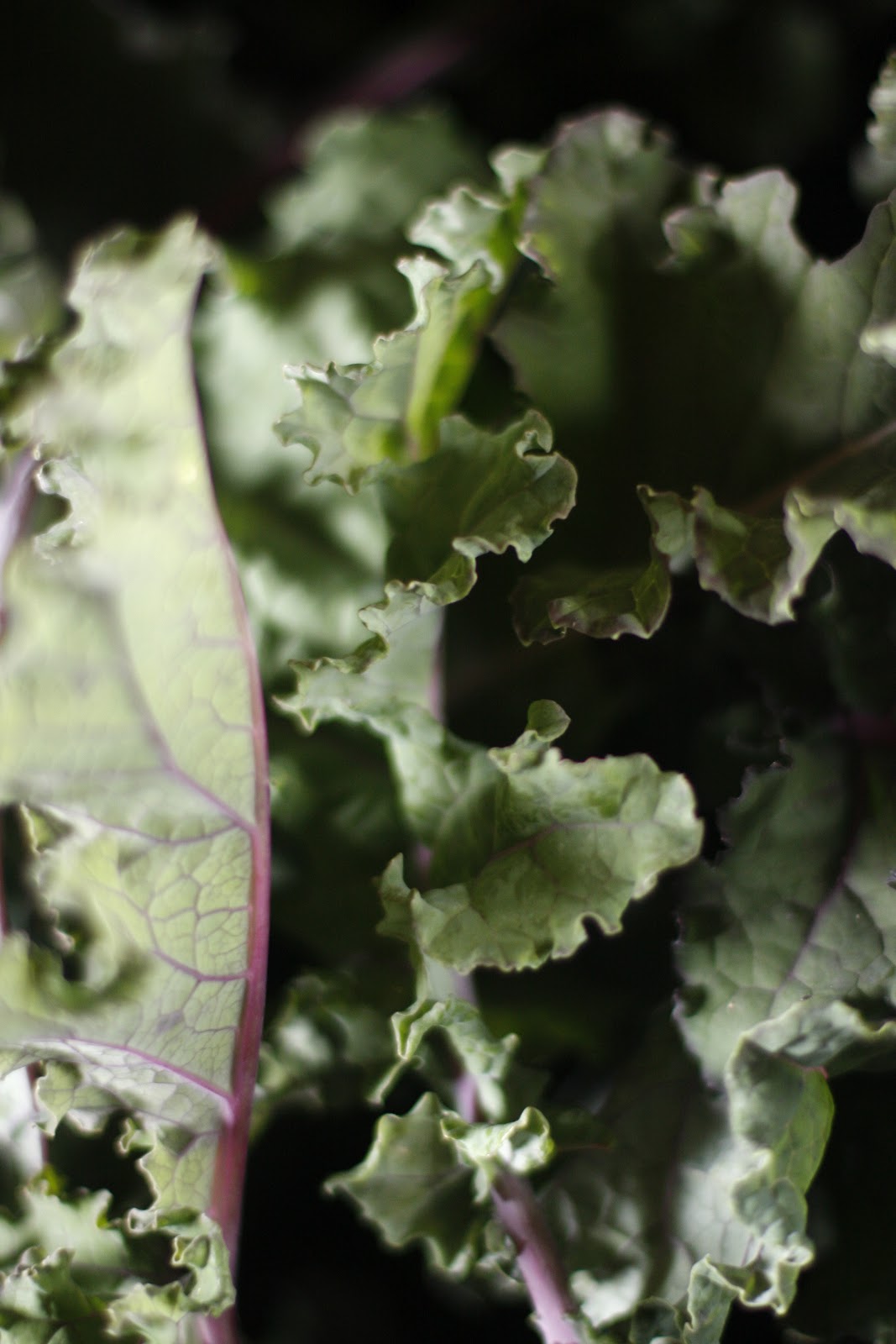
Red Russian Kale
Nelson Carrot
Laurentian Rutabaga
Tyee Spinach

Saturday, June 30, 2012

Killer of Chickens


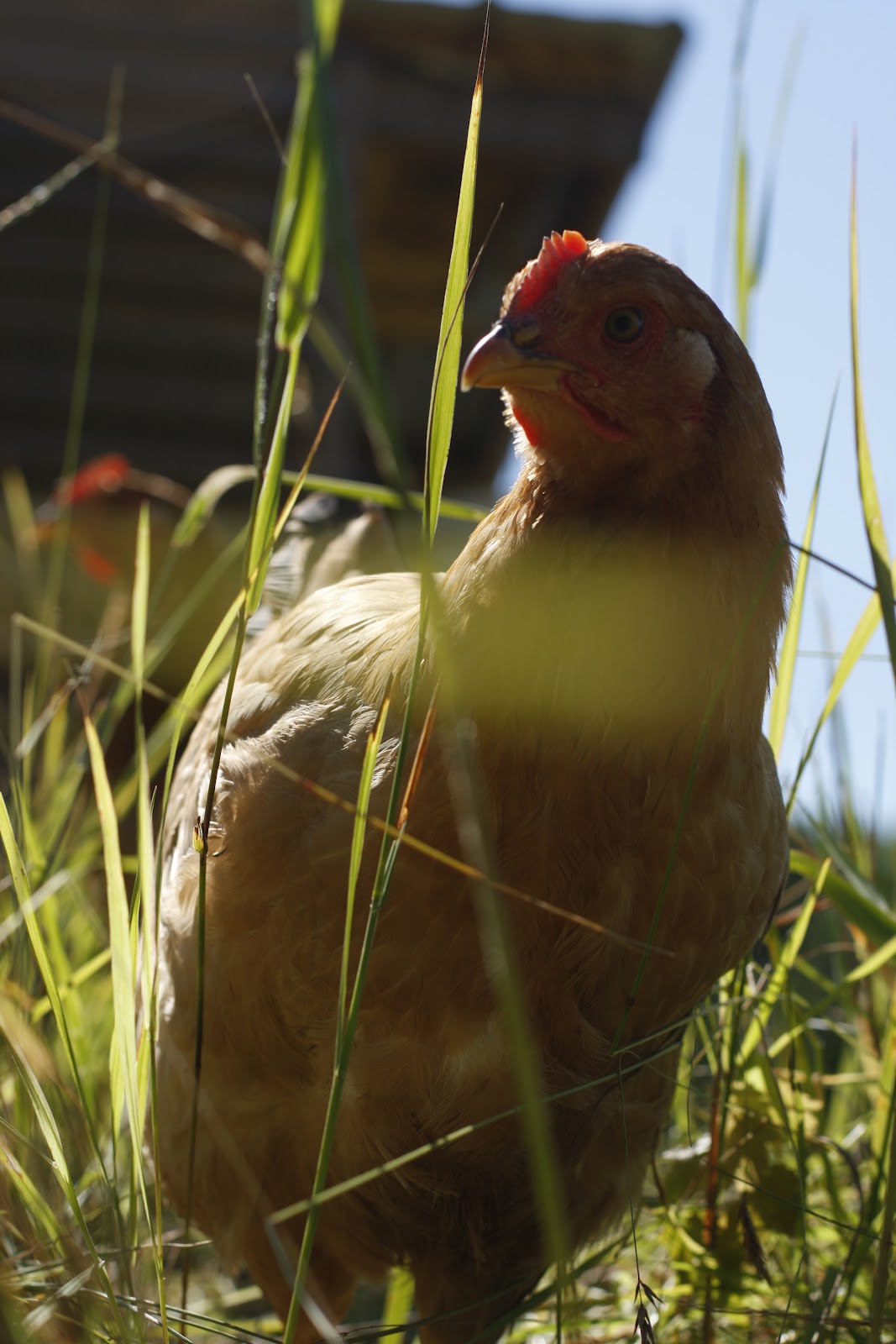
I woke up this morning knowing that it wouldn't turn out to be like any other day at work. I had been anticipating the range of emotions I would feel as I prepared to process the first batch of broilers on the farm. I wasn't quite sure whether I would be nervous, nauseated, focused or seemingly desensitized to the thought of ending an animal's life.

The anticipation began the previous morning when I fed the nine-week-old chickens a final time. With just enough grain to last until the late afternoon, their intestines would empty out and minimize contamination before the butchering would take place. I couldn't help but wonder if they knew that it would be the last meal they would ever have.

Hours later, when the moment finally arrived, I was focused and fully alert, hoping to avoid a mistake that would prolong the chicken's suffering. Tucked inside a stainless-steel cone, I gripped the broiler's head with my left hand, plucking away the feathers on the side of its neck. Picking up a knife from the ground, I prepared to make a swift cut with the end of the sharpened blade. But my grip on the knife's handle was looser than it should have been. It was the kind of mistake I was trying to avoid. I slit both sides of its neck, attempting to keep its windpipe intact. My cuts weren't deep enough. I slid the blade through each side once more and blood began flowing down my arm. The warmth surprised me. I released my grip and the chicken was instantly dead. A few seconds later, its body began to violently convulse, spraying blood across my face, dripping down from my lip. Manure particles shot up from inside the cone.

The lifeless chicken made its way to the scalder, a boiling cauldron of water precisely heated to 145 degrees, and on to the plucker before it landed on a stainless steel table for evisceration. After watching a few demonstrations, I continued the process of cutting off the chicken's head and oil glands, and separating the neck and feet for later use. It brought memories of my mom in the kitchen, who taught me to cut up a whole chicken to use in a number of Filipino dishes.

Turning the chicken on its back, I proceeded to make a midline cut into the abdomen, inserting my hand into the opening and detaching membranes attached to the bundle of organs. Scooped into my fist, I gently pulled them out, attached in one piece. I separated the giblets, heart and liver, and discarded the rest. I scraped away the lungs and other remnants,  rinsed the chicken and let the body cool off in a tub of iced water. It was finally ready to be packaged and sold within a few hours for $4.25 per pound.

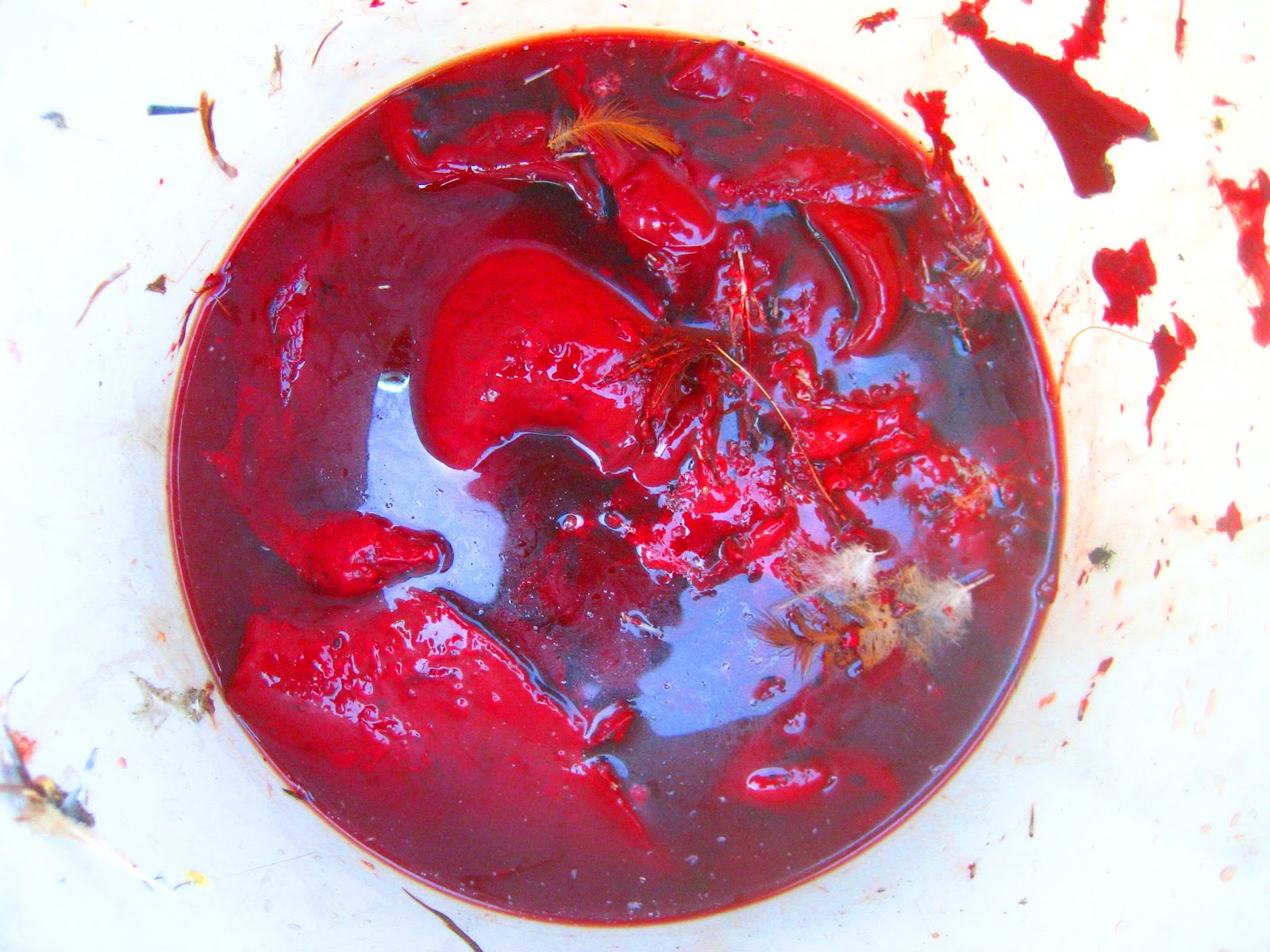
The entrails and blood, attracting flies outside the processing shed, were gathered into buckets to be fed to the pigs. Reflecting back on the moment of ending the chicken's life, I was reminded of Michael Pollan in The Omnivore's Dilemma, where he too had a similar experience at Polyface Farm in Virginia. With a knife in hand, however, Pollan couldn't bring himself to make eye contact with the chicken he was about to kill. He wrote:
“It seemed to me not too much to ask of a meat eater… that at least once in his life he take some direct responsibility for the killing on which his meat-eating depends.”
I believe that the majority of Americans don't know, or rather, don't care about where their meat comes from. Meat has been a crucial portion of the Western diet, but I feel that it can't be fully appreciated and prized as it ought to be. To have raised a chicken from its infancy to its juvenile stage, and to have killed it to serve on the dinner table -- its life means so much more. I plan to savor and appreciate the flavor imparted with each bite, and I'll know that it would turn out to be the most delicious chicken I ever tasted.

Thursday, June 21, 2012

Second Harvest


Spreckled Amish Lettuce
Bright Lights Chard
Marshall Lettuce
Tendergreen Broccoli


Tuesday, June 19, 2012

Roasted Potatoes & Turnips


Roasted Potatoes & Turnips
4 servings
3 or 4 medium potatoes
6 medium turnips
3 tablespoons olive oil
Sat and fresh-ground black pepper
Thyme, rosemary, sage, or bay leaves

Preheat the oven to 400°F. Cut the potatoes and turnips into pieces about the same size and about 1/2 inch thick, so they will cook evenly. Toss the vegetables with a light coating of olive oil and season with salt and fresh-ground pepper. Sprinkle with chopped herbs or sprigs of herbs such as thyme, rosemary, sage and bay leaves. Put the vegetables on a baking sheet or in a gratin dish and roast, stirring and turning the vegetables occasionally once they begin to color, until browned here and there and tender throughout, about 30 minutes. Take care not to overcook, or they can toughen and dry out.

(Recipe from In the Green Kitchen: Techniques to Learn by Heart by Alice Waters)

Saturday, June 16, 2012

Bok Choy, Mediterranean Style


Bok Choy, Mediterranean Style
Serves 4
1 head bok choy, about 1 1/2 pounds
1 bunch chard, about 1 pound
3 tablespoons extra virgin olive oil
2 tablespoons drained capers
1/4-1/2 cup chopped pitted olives
1 tablespoon minced garlic
Balsamic vinegar or lemon juice
Salt and freshly ground black pepper

1. Cut the leaves from the stems of the bok choy and chard. Trim the stems as necessary, then cut them into roughly 1-inch pieces; rinse everything well. Put the oil in a large skillet over medium-high heat. When hot, add the stems and cook, stirring occasionally, until they just lose their crunch, about 3 minutes. Add the greens and about 1/2 cup water or vegetable stock.
2. Cook, stirring occasionally, until the liquid evaporates and the stems become very tender, about 3 minutes more. Stir in drained capers, olives and garlic. Cook for another minute or so, stirring, then add lemon juice or balsamic vinegar to taste. Sprinkle with salt and pepper and serve immediately.

(Recipe from How to Cook Everything Vegetarian: Simple Meatless Recipes for Great Food by Mark Bittman)

Wednesday, June 13, 2012

Creamed Spinach

When my parents came to visit me in New York last Fall, they treated me to lunch at Peter Luger, the legendary steakhouse tucked away in the south side of Williamsburg. The cuts of porterhouse steak were endlessly juicy and delicious, but what actually stood out to me that day was a side dish of creamed spinach, which I never thought would perfectly complement thick slabs of meat. Half a year later, the first harvest of spinach on the farm gave me the opportunity to recreate the meal, accompanied by a bowl of fried rice and some Swiss chard.


Creamed Spinach
Serves 4 to 6
2 (10-ounce) packages fresh spinach, tough stems removed
3 tablespoons butter
1 small onion, finely chopped
2 garlic cloves, minced
3 tablespoons, plus one teaspoon all-purpose flour
2 cups milk
1/2 cup grated Parmesan cheese
Salt and pepper

1. Bring 1 inch of water to a boil in a large saucepan. Add the spinach, cover, and steam until wilted, 3 to 5 minutes. Drain into a colander, rinse with cold water, and press out as much water as possible. Transfer to a cutting board and chop. If the spinach seems watery, gather in handfuls and squeeze to remove excess water.
2. Melt the butter in a medium saucepan over medium heat. Add the onion and garlic and sauté until softened, about 4 minutes. Stir in the flour to make a paste. Cook for 1 minute. Gradually whisk in the milk and cook until hot and thickened. Stir in the cheese.
4. Stir in the spinach and cook until the spinach is hot, about 2 minutes. Season to taste with salt and pepper and serve.

(Recipe from www.goodhomecookbook.blogspot.com)

Tuesday, June 12, 2012

First of the Season


All the hard work from the past two months finally culminated into our first full harvest of the season. These days, I have been waking up at 4:30 in the morning in order to give myself enough time to feed the animals, eat breakfast and harvest vegetables before the sunlight causes the leaves to contract. The CSA pickup will begin taking place every Tuesday and Friday, giving me ample opportunities to become more efficient in harvesting different vegetables, herbs, fruits and flowers as the season progresses.

Oasis Turnip

Leftovers from today's harvest ended up on the dinner table as stir-fry. It was extremely exciting to suddenly have so many fresh ingredients at my disposal!

Shuko Pac Choy

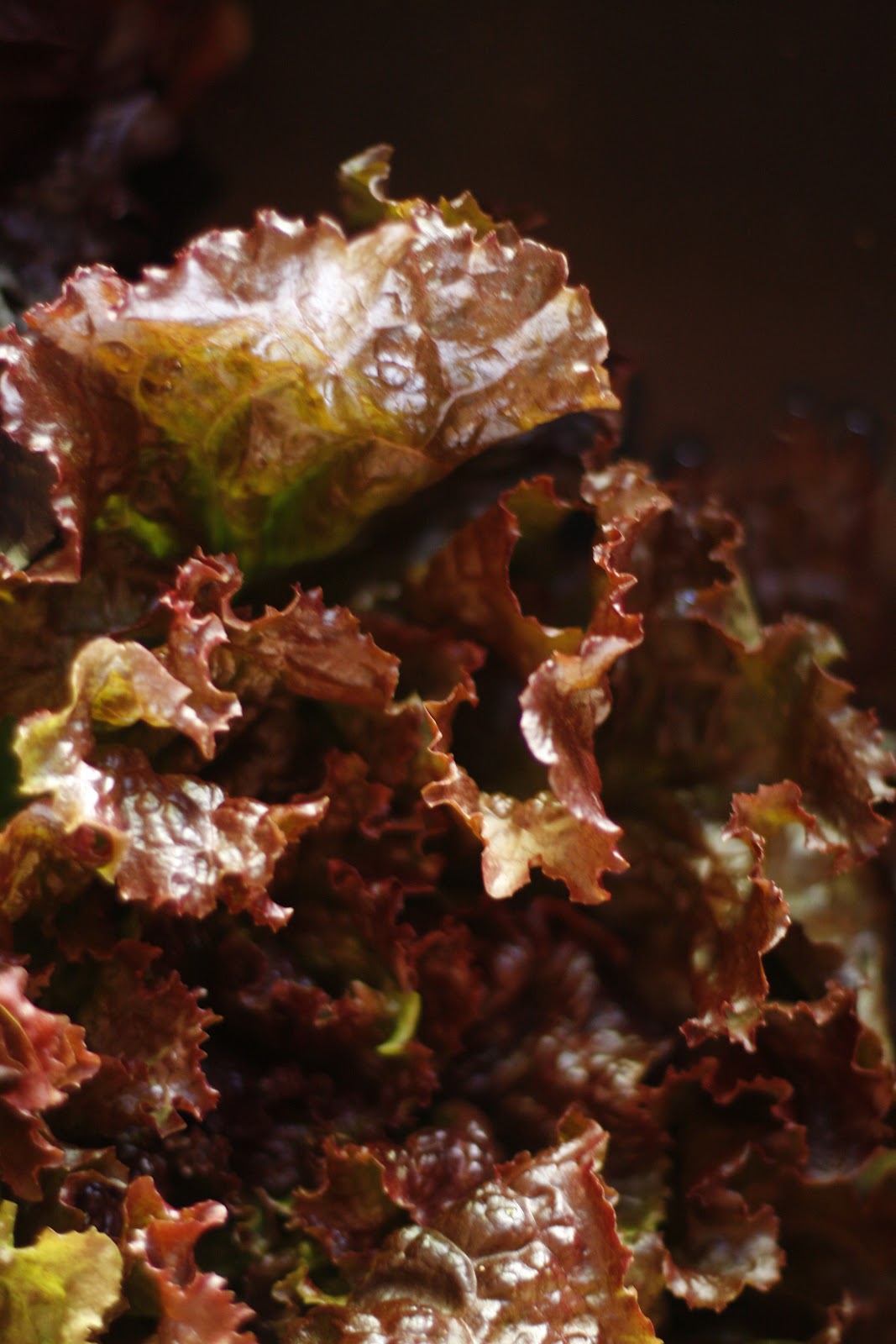
Red Salad Bowl Lettuce

Monday, June 11, 2012

Ecological Weed Management


Since work on the farm ended early, I got a chance to check out a MOFGA workshop on ecological weed management over at Fisher Farm in Winterport. For the two-and-a-half-hour drive north, I figured to pack a traditional Maine snack: whoopie pie and a can of Moxie.


I may have been a bit dramatic here; it wasn't quite that bad. The Moxie was a bit bland though, as if it were missing some crucial ingredient. It was the equivalent of corn syrup mixed in with carbonated water, aspiring to become the Coke or Pepsi of the Northeast but falling short of its goal. The whoopie pie tasted like a soft-textured version of the Oreo, almost like Choco Pie. In any case, the sugar rush was enough to keep me awake until we arrived in Winterport.

Quackgrass

A weed can be defined as any wild plant that you did not intend to grow in a given area. Quackgrass, lamb's quarters, clover, vetch, plantain, stinging nettle and dandelions are the typical kinds that I've encountered and learned to identify so far. Quackgrass has probably been the most annoying type of weed for me to deal with. It contains rhizomes, which are underground stems with nodes, that, when ripped apart instead of uprooted whole, give rise to multiple new plants. Taking a step back, it's biological evolution at its finest.


Hand-weeding tools come in all shapes and sizes. If I had enough time, I'd rather weed with my bare hands. There's a kind of satisfaction and sense of victory in outlasting a weed and pulling up the plant with its root structure still intact.


The khurpi, an iron spatula that seemed like it would be more useful for flipping pancakes than uprooting weeds, retails for $117.00. I was a bit skeptical. Apparently, it's the most-widely used tool in India and Pakistan.


There were quite a few ridiculous-looking ones in the bunch.

Friday, June 8, 2012

Welcome Back


The worst part about traveling half way around the world is having to adjust my body's perception of time zones. The difference between Maine and Manila is exactly twelve hours. In other words: night and day. I returned to Portland, greeted by the rain, just like when I had left almost two weeks before. In a way, the farm also greeted my arrival, but with a giant pile of gravel in the front yard that I would have to carry in wheelbarrows to the other side of the barn later on in the week.